
Housing Starts in Ontario 2026: What's Really Happening in the GTA and Waterloo Region
Housing Starts in Ontario 2026: What's Really Happening in the GTA and Waterloo Region
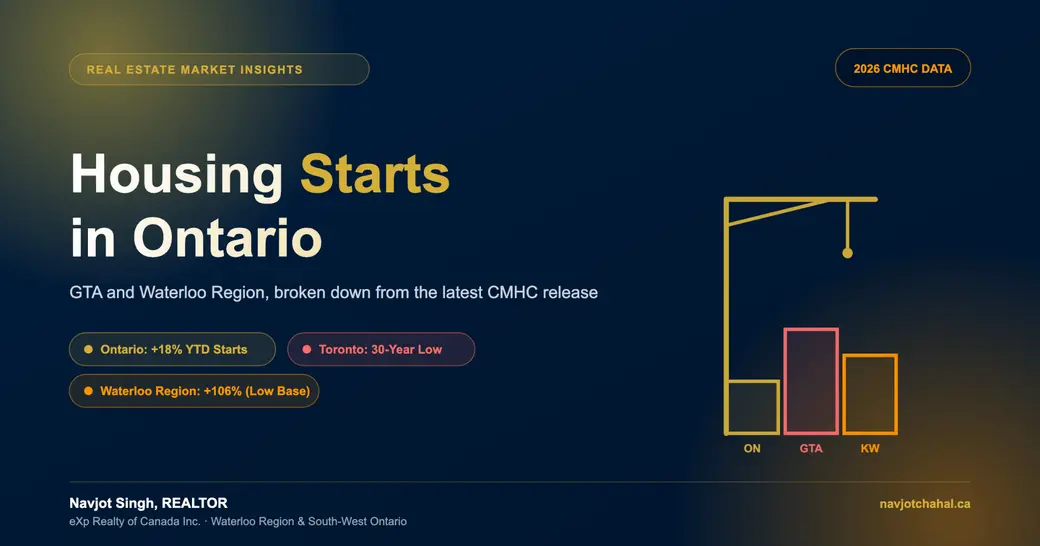
Ontario logged 26,084 housing starts through May 2026, up 18% year over year — but Toronto's condo starts are down 60% and Waterloo Region's +106% number hides a low base.
Every few months a headline number makes the rounds — "Ontario housing starts up 18%!" — and every time, someone forwards it to me asking if the supply crunch is finally easing. So I pulled CMHC's actual May 2026 starts data, broken down to the CMA level for Toronto and Kitchener-Cambridge-Waterloo, to find out what that number is actually hiding.
The short version: the province-wide figure is real, but it's not telling the story you'd assume. Toronto's condo starts have collapsed to a 30-year low. Waterloo Region posted a jaw-dropping +106% year-over-year jump that looks a lot less dramatic once you see what it's being compared against. And Ontario, as a province, is still nowhere near the pace it promised for its own 1.5-million-homes target.
- Ontario logged 26,084 housing starts through May 2026, up 18% year over year — but the province's own 2026 budget projects just 64,800 total starts for the year, against the roughly 175,000/year pace its 1.5-million-homes-by-2031 target implies (CMHC, May 2026; CBC News, March 2026).
- Toronto CMA is on pace for its lowest annual housing starts in 30 years, driven by a 60% drop in condominium starts — even as rental apartment construction holds up (CMHC Housing Market Outlook, 2026).
- Kitchener-Cambridge-Waterloo posted 269 starts in May 2026, up 106% from a weak 57 units in May 2025 — a low-base comparison, not a construction boom.
- Nationally, units under construction sit at 374,662, and the six-month starts trend was virtually flat at 258,010 units in May 2026 (CMHC, May 2026).
What Are Housing Starts, and Why Should Buyers and Sellers Care?
A housing start is CMHC's count of new residential units where construction has actually begun — footings poured, not just permits approved. It's the closest thing we have to a real-time read on future housing supply, typically landing 12 to 36 months ahead of a unit actually hitting the resale or rental market.
That lag is exactly why this data matters if you're not in construction. Today's starts are tomorrow's inventory. When starts fall, as they have across most of Ontario in 2026, it means less new supply competing with resale listings two or three years out — which supports resale prices longer than most buyers expect. When starts concentrate in one segment, like rental apartments right now, it tells you where future competition is actually going to show up.
Want the fuller local picture first? Read the April 2026 real estate market update for Waterloo Region, Halton, Peel & Guelph.
The National Picture: Construction Activity Stayed "Uneven" in May
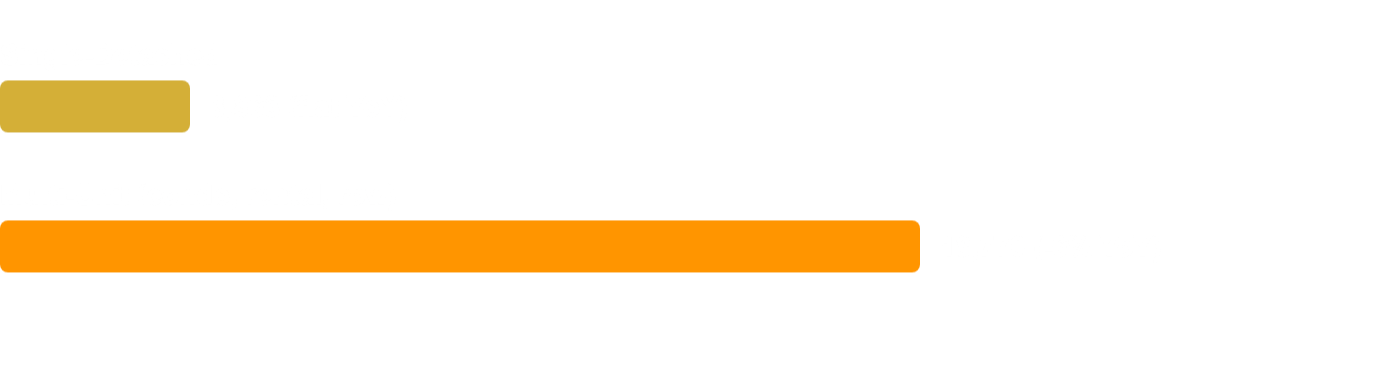
Canada's housing starts trend was basically flat in May 2026, running at 258,010 units on a six-month moving average, up just 0.5% from April (CMHC, May 2026). Actual monthly starts in centres of 10,000-plus people came in at 22,633 units, down 5.2% from the 23,879 recorded in May 2025. The seasonally adjusted annual rate dropped 6% month over month, to 261,377 units.
There's a real split by unit type. Single-detached starts held flat year over year at 3,863 units nationally, while multi-unit starts — condos, purpose-built rentals, and row housing — fell 6% to 18,770 units. Meanwhile, units under construction climbed to 374,662, and completions rose 10.6% month over month to 16,880 units. Read together, that's a pipeline still emptying out a large backlog of already-started projects even as fewer new ones get greenlit.
 Source: CMHC, Housing Starts and Construction Data for May 2026.
Ontario Is Still Missing Its Own Math — By a Lot
Ontario posted 5,661 actual starts in May 2026, down 3% from 5,866 a year earlier. The year-to-date total tells a rosier short-term story, though: 26,084 units through May, up 18% from 22,138 over the same stretch in 2025 (CMHC, May 2026). That YTD gain is real, and it's been enough to help pull the national year-to-date figure into positive territory.
Here's the part that headline misses: a stronger year-over-year comparison doesn't mean Ontario is on pace for what it actually promised. In its March 2026 budget, the province projected just 64,800 total housing starts for 2026 — 10,000 fewer than it forecast a year earlier, and 30,000 fewer than its own 2024 plan called for (CBC News, March 2026). The government's original math behind its 1.5-million-homes-by-2031 pledge required roughly 175,000 starts a year. Sixty-four thousand eight hundred is barely a third of that.
Three years into the ten-year target, Ontario has recorded roughly 229,246 cumulative housing starts — about 15% of the 1.5-million goal, against roughly a third of the timeline already elapsed (CBC News, March 2026). CMHC's own outlook expects overall Ontario starts to fall to near two-decade lows in 2026, driven almost entirely by weak condominium pre-construction sales. Purpose-built rental construction is now doing most of the work to keep the province's numbers from falling further.
Curious what this means street-level in your area? Is 2026 the right time to buy or sell in Waterloo Region?
The GTA Breakdown: Toronto's Condo Collapse, Rental's Quiet Save
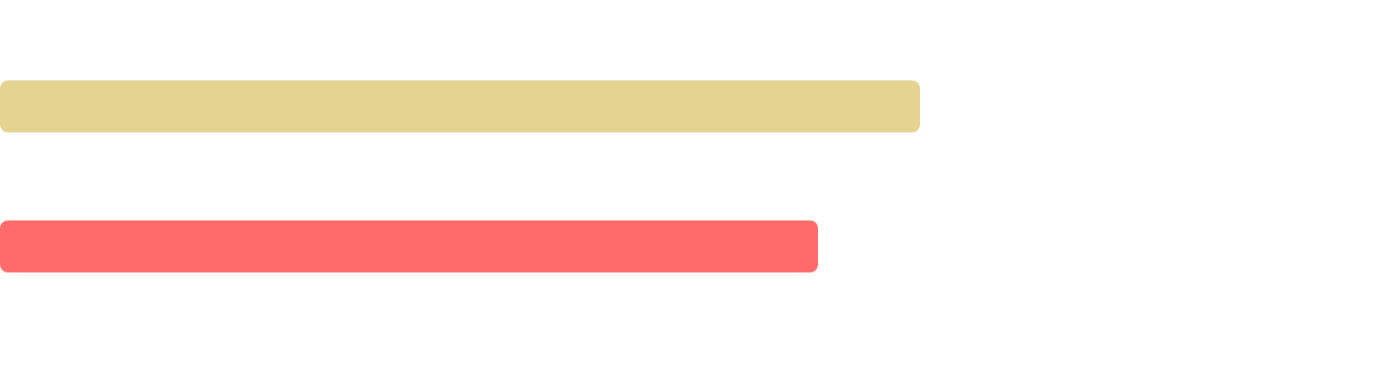
Toronto CMA recorded 3,124 actual starts in May 2026 — 241 single-detached, 2,883 in everything else — down 11% from 3,512 a year earlier (CMHC, May 2026). The trend measure ticked up 9% to 27,583 units, but that smooths over a genuinely rough year underneath.
 Source: CMHC, Housing Starts and Construction Data for May 2026.
Toronto is now on pace for its lowest annual housing starts total in 30 years. On a per-capita basis, homebuilding activity has fallen to its lowest point since 1996, driven mainly by a 60% collapse in condominium starts (CMHC Housing Market Outlook, 2026). Investor pre-construction demand, which used to carry the GTA's condo pipeline, has largely dried up, and builders aren't launching new towers into a market where assignment and resale condo inventory is already elevated.
Month to month, the numbers swing hard because of this split — Toronto starts were actually up 23% year over year in March and up 34% in April, both driven by multi-unit rental activity, before May's 11% pullback.
The practical read for GTA buyers and sellers: expect fewer new condo completions hitting the market from 2027 onward as this pullback works through the pipeline. Purpose-built rental supply, not condos, is where most new competition for tenants will show up over the next two to three years.
Waterloo Region's +106% Headline Doesn't Mean What You Think
This is the number I get asked about most locally, so let's actually pull it apart. Kitchener-Cambridge-Waterloo recorded 269 actual housing starts in May 2026 — 23 single-detached, 246 in everything else — a 106% increase over May 2025 (CMHC, May 2026). Year to date, the region sits at 2,412 starts through May, also up 106% from 1,171 over the same period in 2025.
 Source: CMHC, Housing Starts and Construction Data for May 2026.
That's a real, large number. It's also a low-base comparison. May 2025 was an unusually weak month for the region at just 57 starts, so doubling it doesn't mean the region suddenly built twice as many homes as its long-run pace. It just means one soft month got compared against one strong one. 2025 as a whole was actually an elevated, near-record year for Waterloo Region starts. CMHC's own 2026 outlook for the CMA expects total starts to decline from that elevated 2025 level, driven by the same weak condo investor demand hitting Toronto (CMHC Housing Market Outlook, 2026).
▲ What's Holding Up
- 8,002 units currently under construction in the CMA
- 619 approved units not yet started — a near-term pipeline
- Purpose-built rental starts expected to stay strong into 2027
- Waterloo hit 129% of its 2024 provincial housing target (1,722 starts)
⚠ What's Softening
- Condo apartment starts facing the steepest expected decline of any segment
- Ground-oriented (detached/semi/row) starts expected to fall again in 2026
- Purpose-built rental vacancy hit 3.6% in late 2024 — highest since 1993
- Cambridge has 5,000+ approved units still unbuilt
Local performance also isn't uniform city to city. Waterloo built 1,722 new homes in 2024, 129% of its provincial housing target; Kitchener built 3,067 units, 105% of target. Cambridge has struggled to convert approvals into shovels — it's approved more than 7,000 units under the province's Building Faster Fund since 2023, but over 5,000 of those remain unbuilt.
There's a real tension building underneath the rental construction numbers, too. Purpose-built rental vacancy in Kitchener-Cambridge-Waterloo hit 3.6% in late 2024, the highest rate since 1993, as declining international student enrolment and softer investor demand cool tenant demand — even while completions from projects greenlit years ago keep landing. That's worth watching if you're weighing a purpose-built rental investment in this region right now.
See the full local picture in the Waterloo Region real estate market 2026 outlook.
How Other Mid-Size Ontario Markets Compare
Zooming out from the GTA and Waterloo Region, May 2026's actual starts across Ontario's other major CMAs show just how uneven this cycle is:
- Toronto: 3,124 starts, down 11% year over year
- Ottawa-Gatineau: 1,079 starts, up 3%
- Kitchener-Cambridge-Waterloo: 269 starts, up 106% (low base)
- London: 131 starts, up 147% (also a low-base comparison)
- Windsor: 86 starts, up 34%
- Hamilton: just 8 starts, down 91% from the same month last year
Hamilton's number is the one that should raise eyebrows. A 91% year-over-year drop to single digits in a CMA that size points to a near-total pause in new project launches for that specific month, not a gradual slowdown. It almost certainly reflects the timing of a handful of large multi-unit projects, rather than a broad collapse in demand. It's a useful reminder that monthly CMA-level starts data is lumpy by nature; a single large apartment building starting or not starting construction can swing a mid-size market's monthly number by double digits.
What This Means If You're Buying, Selling, or Investing
A few things I'm telling clients based on where this data actually points, not where the headlines land:
- Resale sellers in the GTA and Waterloo Region benefit from the condo slowdown. Fewer new condo completions hitting the market in 2027-2028 means less new competition for existing resale inventory over that window — a tailwind for sellers holding through the current soft patch.
- Condo investors should expect a longer runway before new supply pressure eases. With pre-construction sales this weak, builders aren't launching projects that would otherwise compete with existing assignment and resale condo stock — but existing oversupply still needs to clear first.
- Purpose-built rental investors need to watch vacancy, not just starts. Waterloo Region's rental starts are strong, but vacancy is already at a 30-year high locally. New supply landing into a softening rental market changes the math on projected rents.
- Buyers waiting for a supply-driven price correction should recalibrate their timeline. Ontario is building at roughly a third of its own stated pace. That's disinflationary for construction costs, but it's not the flood of new supply that would meaningfully cool resale prices on its own.
Want the numbers for your specific street?
CMA averages only tell you so much. I'll walk through what supply trends actually mean for your neighbourhood and your timeline.
Frequently Asked Questions
What is a housing start, exactly?
Are housing starts up or down in Ontario in 2026?
Why did Toronto housing starts fall so much in 2026?
Is Waterloo Region's 106% housing starts increase a real construction boom?
What does slowing housing starts mean for home prices?
Bottom Line
Ontario's housing starts data in 2026 tells three different stories depending on where you're standing. Provincially, the year-to-date growth is real but nowhere close to the pace the government's own 1.5-million-homes math requires. In the GTA, it's a condo collapse partly masked by a rental boom. In Waterloo Region, a headline-grabbing percentage increase is really a comparison against an unusually weak month, layered on top of a region that's expected to build less in 2026 than it did in 2025. None of that is good news for anyone hoping new supply solves affordability quickly — but it does tell you where the real opportunities and risks sit over the next two to three years.
Want the numbers for your neighbourhood, not just the CMA average?
Get a straight read on how supply trends are actually affecting your equity or your purchase timeline — no pressure, no obligation.
Recent Posts