
Ontario Real Estate + Labour Update (Nov 2025)

Ontario Real Estate & Labour Update
Canada Job Market Snapshot
Economic Context: Jobs, Income and Confidence
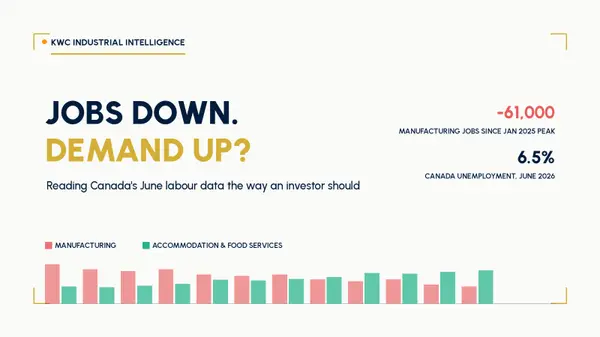
Across Canada, the job market surprised to the upside in November. The national unemployment rate declined to 6.5%, the lowest level in roughly sixteen months. Most of that improvement came from a wave of new part time roles rather than full time positions.
For real people making housing decisions, the distinction matters. More jobs help confidence. But when those jobs are part time instead of permanent full time, many buyers are still hesitant to stretch their budgets.
In Waterloo Region, the picture is more mixed. As of October 2025, the Kitchener–Cambridge–Waterloo area recorded an unemployment rate around 7.3%, with a three month moving average of roughly 7.6% by November.
The same labour reports show a net increase of about 1,600 jobs in KCW, almost entirely in part time positions. That combination creates a very specific feeling in the market: buyers see more listings and better affordability, but they are not in a rush to commit.
Interest Rates: Lower Borrowing Costs, Higher Scrutiny
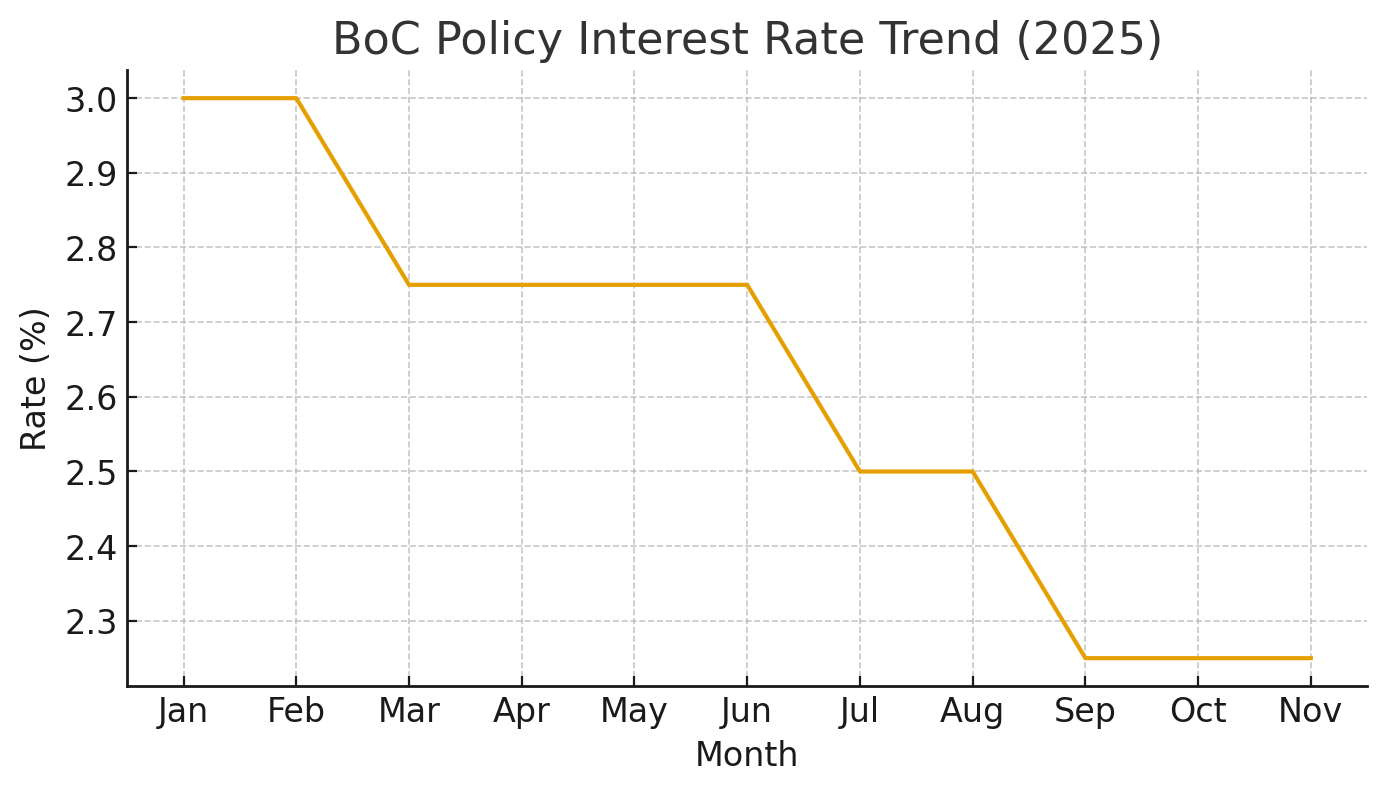
On the financing side, the Bank of Canada policy rate now sits near 2.25% after recent cuts. For buyers, that translates into lower mortgage payments, improved pre approval amounts and more comfortable stress test results.
At the same time, lenders are paying close attention to employment stability. A strong application with predictable income still stands out. A file with multiple recent job changes or heavy reliance on variable part time hours may face more questions, even in a lower rate environment.
Waterloo Region Housing: Softer Prices, More Time to Decide
Key Numbers for November 2025
- Home sales down roughly 15% compared to November 2024
- Average sale price around $714,000, about 5% lower year over year
- Average days on market at approximately 39 days, giving buyers extra breathing room
These trends are visible across many neighbourhoods, from Doon South and Huron Park in Kitchener to Laurelwood and Beechwood in Waterloo and areas like Galt, Preston and Hespeler in Cambridge. Listings are sitting longer, and realistic pricing is making the difference between "on the market" and "sold."
What This Means for Buyers in KWC
You are shopping in a market with more inventory and fewer bidding wars.
Prices are slightly discounted compared to last year, especially in the mid range detached segment under the $800,000 mark.
You have more time for due diligence: inspections, financing conditions and multiple visits are normal again.
The tradeoff is that the job market is not booming. Unemployment remains elevated compared with stronger years, and the growth in part time roles may make some buyers think twice before committing to a larger mortgage.
What This Means for Sellers in KWC
Well maintained, well priced homes in established areas still attract serious interest.
Overpricing is punished quickly: buyers are patient and price sensitive.
Flexibility around conditions, closing dates and small repairs can help get a deal across the finish line.
In this environment, listing strategy matters. Clean presentation, data driven pricing and thoughtful negotiation can do more for your bottom line than chasing last year's headlines.
Peel Region Housing: Relative Stability Near the Core
Peel Region tells a slightly different story. Recent local labour statistics are less detailed, but the general Ontario backdrop of lower rates and national job gains still supports demand in:
Mississauga: Port Credit, City Centre, Churchill Meadows.
Brampton: family oriented townhomes and semis with access to highways and GO transit.
Caledon: estate lots and rural style homes for buyers trading space for commute time.
Sales volumes have slowed from the peak years, but price declines in Peel have been more modest than in some other Ontario markets. Proximity to major employment centres, transit and amenities continues to underpin values.
For Buyers and Sellers in Peel
Borrowing costs are improving, which supports move up and move down buyers.
Stable demand and tight pockets of inventory help prevent sharp price swings.
National economic headwinds and inflation pressures still influence sentiment, so buyers remain careful and selective.
Q&A: Common Questions We Are Hearing Right Now
Bottom Line: Balanced, but Unsteady
November 2025 paints a picture of a housing market in transition. The frenzy of the past few years has cooled. Buyers again have room to think, and sellers need to meet the market where it is, not where it was.
In Waterloo Region, softer prices, higher unemployment and longer days on market point toward a more buyer friendly environment. In Peel, stronger underlying demand and location advantages are keeping the market closer to balanced.
Lower interest rates, modest job gains and more realistic pricing have opened a window for more deliberate, data driven decisions. The main variable to watch is employment: how stable your income will be over the next few years, and how comfortable you are with that picture.
Moving forward with clear eyes, realistic expectations and thoughtful negotiation is likely to serve buyers, sellers and investors better than chasing yesterday's peak pricing or rushing into quick decisions.
Want a Neighbourhood-Specific Breakdown?
If you would like detailed analysis for Waterloo, Kitchener, Cambridge, Mississauga, Brampton or Caledon, reach out and we can share a tailored chart pack for your area.
Recent Posts